

Services
We specialize in the diagnosis and treatment of inflammatory rheumatic diseases. On this page, you will find an overview of the conditions we treat, as well as our diagnostic and therapeutic expertise.
Our goal is precise diagnosis and an individualized, guideline-based treatment approach tailored to each patient.

Rheumatic Diseases
The term “rheumatism” originates from the Greek word rhéuma (“flow”), historically describing the migrating nature of pain. Today, it is used as a general term for a wide range of conditions affecting the musculoskeletal system. These conditions often—but not always—present with joint pain or swelling.
Inflammatory Rheumatic Diseases

Rheumatoid Arthritis
Rheumatoid arthritis is a chronic autoimmune disease primarily affecting the joints. Typical symptoms include painful swelling, morning stiffness, and progressive loss of mobility. If left untreated, it can lead to permanent joint damage; in rare cases, internal organs may also be involved.
Early diagnosis and consistent, individualized treatment are essential to control inflammation, relieve symptoms, and preserve joint function.

Spondyloarthritis (e.g. axial spondylarthritis, psoriatic arthritis)
This group of chronic inflammatory diseases commonly affects the spine, sacroiliac joints, and peripheral joints. Typical symptoms include inflammatory back pain, night pain, and pronounced morning stiffness.
In psoriatic arthritis, skin and nail changes may also occur. Tendon insertions (enthesitis) and other organ systems can be involved. Early diagnosis and targeted therapy are key to maintaining mobility and quality of life.

Connective Tissue Diseases
These are rare autoimmune conditions in which the immune system attacks connective tissue and blood vessels. Multiple organ systems may be affected, including joints, skin, muscles, kidneys, lungs, heart, and the nervous system.
Due to their complex and variable presentation, careful diagnostics and close monitoring are essential to prevent organ damage and maintain quality of life.

Vasculitis
Vasculitides are inflammatory diseases of the blood vessels. Depending on the size and type of vessels involved, various organs such as skin, kidneys, lungs, heart, or the nervous system may be affected.
Symptoms can include fatigue, fever, weight loss, skin changes, and organ dysfunction. Early diagnosis and targeted therapy are crucial to prevent complications.

Degenerative Conditions
Degenerative disorders are caused by wear and tear, mechanical stress, or age-related changes.
Examples include:
- Osteoarthritis
- Degenerative spine disease (spondylosis)
- Tendon disorders (tendinopathies)

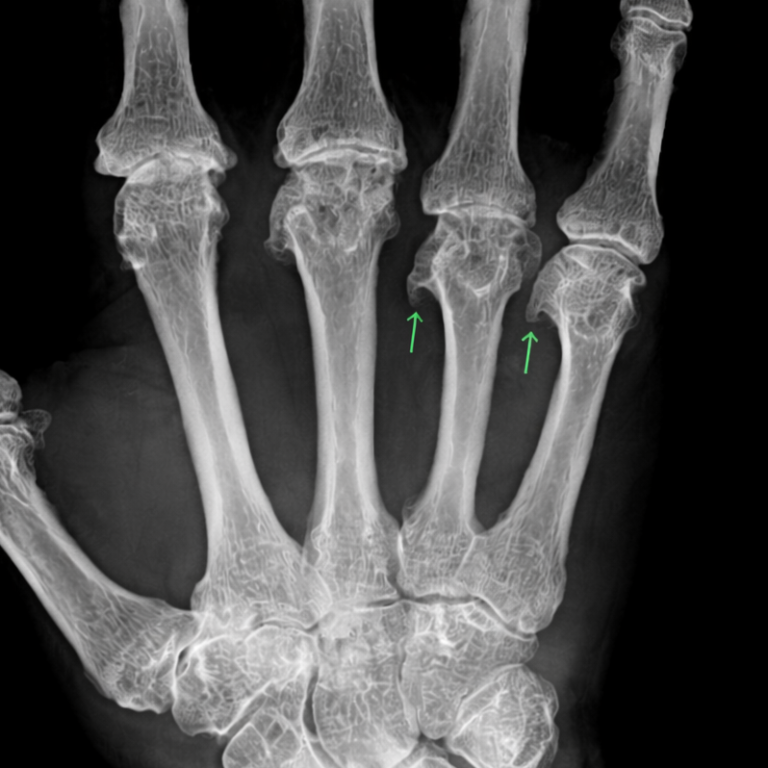
Gout and Pseudogout
These conditions are caused by crystal deposition in joints. In gout, elevated uric acid levels lead to sudden, painful joint inflammation. Pseudogout is caused by calcium crystal deposition and often affects larger joints.
Long-term management is important to prevent recurrent attacks and joint damage.

Diabetes-Related Musculoskeletal Disorders
Long-standing diabetes can affect joints, tendons, and soft tissues, leading to stiffness, limited mobility, and pain (e.g. in hands or shoulders). Early recognition and treatment help maintain function and reduce discomfort.
Hemochromatosis (Iron Overload)
Hemochromatosis is a metabolic disorder characterized by excessive iron accumulation. It can cause joint pain and inflammation, often affecting the hands and wrists, and may also involve internal organs.
Early diagnosis is important, as effective treatments are available.
Metabolic Rheumatic Conditions
Metabolic disorders can lead to crystal deposition or inflammatory changes in joints and soft tissues.

Chronic Pain Syndromes
In some cases, no clear inflammatory or structural cause can be identified despite thorough evaluation. These conditions are classified as chronic pain syndromes, such as fibromyalgia.
Treatment typically involves a multidisciplinary approach, including physical therapy, behavioral strategies, and pain management. Immunomodulatory therapies are not effective in these cases.
Diagnostic Services
We use modern, evidence-based diagnostic tools, including:
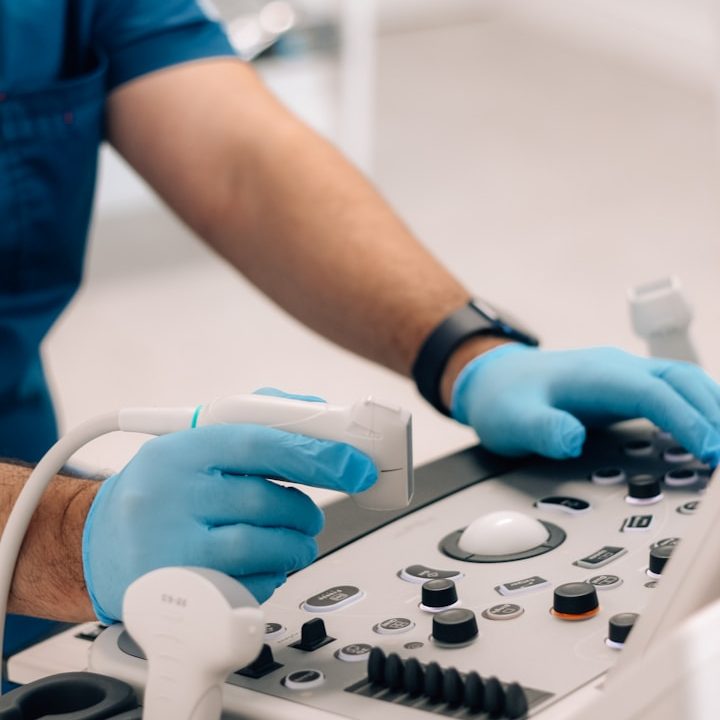
- High-resolution ultrasound (color duplex and power Doppler) of joints and vessels
- Diagnostic and therapeutic joint aspirations/injections
- Nailfold capillaroscopy
- Specialized rheumatological and immunological laboratory testing

Bone Health and Fracture Risk
Patients with inflammatory rheumatic diseases have an increased risk of reduced bone density and fractures. Chronic inflammation, reduced mobility, and certain medications can negatively affect bone metabolism. Early assessment is therefore essential.
Vitamin D and Bone Metabolism
Vitamin D and other bone metabolism markers play a key role in bone health. Deficiencies can increase fracture risk and reduce the effectiveness of osteoporosis treatment. Monitoring and targeted correction are essential components of care.
DXA Bone Density Measurement
DXA scanning is a standardized X-ray method with very low radiation exposure used to assess bone density and fracture risk.
We offer DXA as an individual health service (IGeL).

Treatment
Treatment is always individualized and based on current medical guidelines as well as your personal situation.
Our therapeutic spectrum includes:
- Conventional DMARD therapy
- Advanced biologic therapies and targeted agents
- Intra-articular injections and local treatments
- Long-term monitoring and therapy adjustment
We are happy to advise you personally and develop a tailored treatment plan together.